
RIYAN Windows
Frames
Doors and Windows Frames play an important role in the overall structural integrity buildings for residential and commercial spaces. These frames serve as the support structure for doors and windows, providing a framework for the installation of these essential components at affordable door frame price.
Careful consideration must be given to the selection of materials and the level of installation in order to ensure that frames meet both practical and aesthetic criteria while buying door window frames.
uPVC Frames
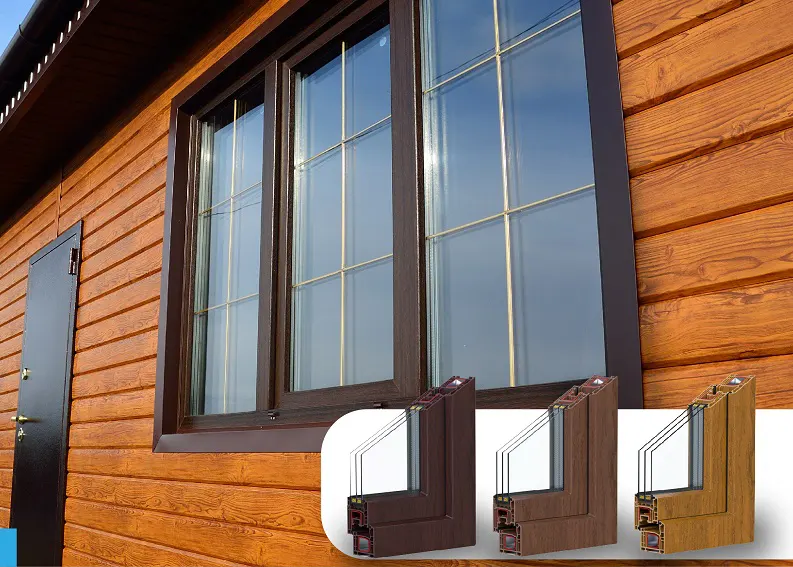
RIYAN Windows offers a premium and comprehensive range of uPVC doors and windows, made by using advanced technology so that you get doors and windows that not only look great but are rigorously tested to exceed the standards for heat retention, weather performance; and are more secure than ever. uPVC windows and doors add a striking, stylish look to your home while helping to make it more energy-efficient, and they are also perfectly suitable for every type of space and building, be it homes, offices, retail stores, hospitality establishments, or healthcare facilities.
All of our uPVC windows & doors, whether it be sash, slide, or tilt & turn, are available in a wide range of stunning colors. In addition, with a wide range of customized uPVC door designs and uPVC window designs to choose from, there is an option to suit all properties. They are a perfect choice if you’re looking for new or replacement windows for your home. Also, the door frame design and sash have multi-chamber profiles to prevent heat escaping and low internal glass to reflect heat in. Plus, security is of paramount importance in all our uPVC windows doors, and all the uPVC products are fully accredited to meet appropriate standards.
Frequently Asked Question
You May Ask
If water and mild detergents are not enough to clean the aluminium fenestrations there are detergents that have been specially developed for aluminium surfaces. These detergents contain light abrasive elements and can be used with a synthetic cleaning cloth. In all cases it is important to completely rinse surfaces with clear water and dry them thoroughly, especially the corners and the bottom profile. In order to protect and increase the life cycle of the aluminium, it may be treated with a very thin clear coat of water resistant film available.
Anodised finish
- Natural colour etched
- Bronze colour
- Special anodised colours
Painted finish:
- White
- Brown
- RAL colours
- Sable colours
Timber Most timbers have no harmful effects on aluminium. Some such as walnut however, produce acids which attack and damage aluminium. These effects occur especially in humid conditions or when the timber is not sufficiently dry. Insulation is recommended by using a bituminous paint. When you treat timber against humidity and insects you should check that the chemical substances used in the treatment are not harmful to aluminium. Products containing copper salts, mercury salts, and fluoride compounds are very harmful to aluminium and should be avoided.
Lime/Cement In humid conditions, limestone or cement reacts with aluminium (even when anodized) revealing superficial white spots on the surface of the metal after cleaning. It is advisable to protect the aluminium during installation with protective foil.
It is also far less susceptible to brittle fractures. Indeed, when aluminium and steel structures are compared, aluminium’s greater modulus of elasticity means that weight ratios of 1:2 are easily attained. It can also be processed at high cutting speeds and welded connections are not necessary. These advantages help to reduce fabrication time. Constructions are realized with aluminium profiles extruded in the alloy EN AW 6060 according to EN 755-1. The mechanical characteristics conform to the standard EN 755-2, with a modulus of elasticity of 70GPa. The tolerances are based on EN 755-3
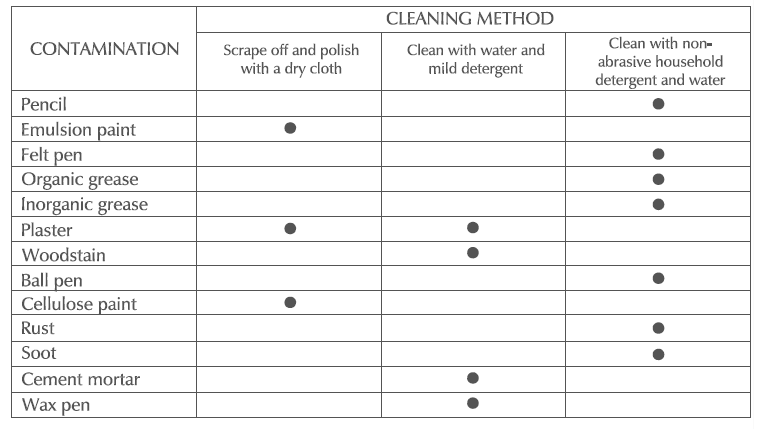
If the surface is excessively dirty, it should be cleaned as above. If any unsightly stains remain, then a mild household non-scouring cream should be applied to remove the stains. Abrasive materials should not be used for any cleaning purpose because of scratching of the surface. Especially avoid the use of steel wool pads, as these might cause permanent stains.
“There is absolutely no evidence that vinyl (PVC-u) damages human health or the environment. PVC-U is durable, low maintenance, recyclable and performs well in LCA tests.” PVC play an extremely important role in the medical and pharmaceutical areas. All the push-out tablet packages are made from PVC foils. Blood bags, infusion tubes and operation gloves are made exclusively from PVC. It is also used for flooring in clinics especially in operating rooms where they have a preference for PVC flooring.
